How to Become an Airline Pilot in Europe: The Complete ATPL Guide
Becoming an airline pilot is one of the most exciting careers in the aviation industry. Airline pilots operate complex aircraft, travel internationally, and play a critical role in ensuring the safety of passengers and crew.
However, reaching the cockpit of a commercial aircraft requires structured pilot training, dedication, and a strong understanding of aviation systems and regulations.
In Europe and many other regions, the pathway to a professional aviation career begins with ATPL training. The Airline Transport Pilot Licence (ATPL) is the highest level of pilot certification and represents the ultimate goal for aspiring airline pilots.
This guide explains how to become an airline pilot, the different stages of training, and why ATPL theory training is a key step in the process.
What Is an ATPL (Airline Transport Pilot Licence)?
The Airline Transport Pilot Licence (ATPL) is the highest qualification a professional pilot can obtain.
Issued by aviation authorities such as EASA (European Union Aviation Safety Agency), the ATPL allows pilots to act as captain of large commercial aircraft operating scheduled airline flights.
Most pilots initially obtain what is known as a “frozen ATPL”, which means they have successfully completed the required theoretical exams and practical training but still need to accumulate flight hours before holding the full ATPL licence.
ATPL training is therefore a fundamental step toward becoming an airline pilot.
Step 1: Obtain a Private Pilot Licence (PPL)
The first stage of pilot training is obtaining a Private Pilot Licence (PPL).
The PPL allows students to learn the basic principles of flying and develop essential aviation skills such as:
-
aircraft control and handling
-
navigation techniques
-
radio communication procedures
-
flight planning basics
This stage introduces students to aviation operations and provides the foundation required for more advanced professional training.
Step 2: Complete ATPL Theory Training
One of the most important phases in becoming an airline pilot is completing the ATPL theoretical knowledge course.
The ATPL theory program includes 14 aviation subjects required by EASA, covering the technical, operational, and regulatory knowledge needed by professional pilots.
Key ATPL subjects include:
-
Air Law
-
Aircraft General Knowledge
-
Flight Planning and Monitoring
-
Meteorology
-
Navigation
-
Principles of Flight
-
Operational Procedures
-
Performance
-
Human Performance and Limitations
-
Communications
These subjects provide the theoretical understanding required to operate complex aircraft safely and efficiently.
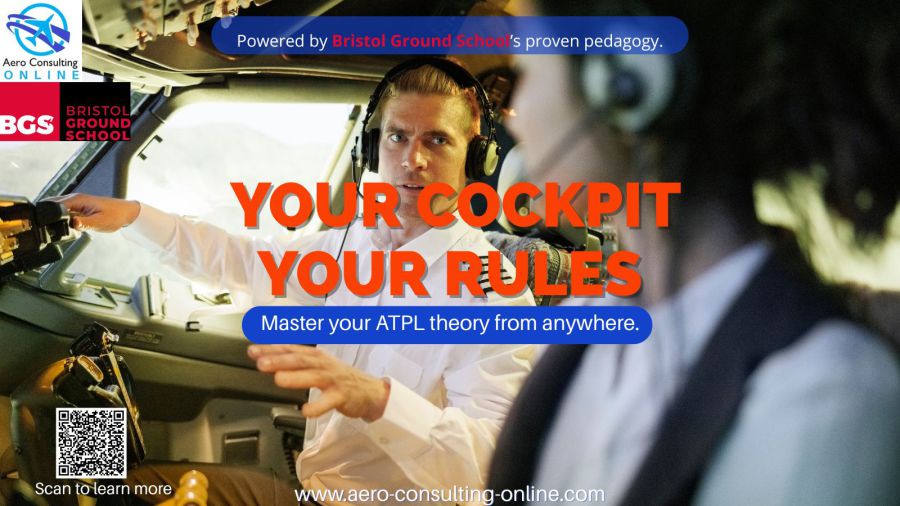
Many students today choose online ATPL theory courses, which offer flexibility while maintaining the same academic standards as traditional classroom programs.
Step 3: Pass the ATPL Examinations
After completing the ATPL theory training program, students must pass the official ATPL examinations administered by national aviation authorities under EASA regulations.
These exams evaluate a pilot’s understanding of critical aviation topics such as:
-
aircraft systems and performance
-
aviation regulations
-
meteorology and weather analysis
-
navigation techniques
-
operational procedures
Passing the ATPL theoretical exams is a major milestone in the journey toward becoming an airline pilot.
Step 4: Continue with Professional Flight Training
Once the theoretical phase is completed, students continue their practical pilot training with additional qualifications required for airline operations.
These typically include:
Commercial Pilot Licence (CPL)
Allows pilots to fly aircraft professionally.
Instrument Rating (IR)
Enables pilots to fly in instrument meteorological conditions using cockpit instruments.
Multi-Engine Rating (ME)
Trains pilots to operate aircraft with more than one engine.
Multi-Crew Cooperation (MCC)
Prepares pilots to operate in a multi-pilot airline cockpit environment.
Together, these qualifications allow pilots to begin their professional aviation careers.
Step 5: Build Flight Experience
After completing their initial training, pilots must build flight hours and operational experience.
Many pilots gain experience by working as:
-
flight instructors
-
charter pilots
-
regional airline first officers
Over time, pilots accumulate the required flight hours to obtain the full ATPL licence, which allows them to act as captain of commercial airline aircraft.
Why ATPL Theory Is Critical for Airline Pilots
The ATPL theoretical knowledge course is not just about passing exams. It provides the professional foundation required to operate safely in commercial aviation.
Modern airline pilots must understand:
-
complex aircraft systems
-
international aviation regulations
-
meteorological conditions and weather analysis
-
flight performance calculations
-
crew coordination and human factors
Strong theoretical knowledge improves decision-making and contributes directly to aviation safety.
Advantages of Online ATPL Training
Online ATPL training has become increasingly popular among aspiring pilots.
A well-structured online ATPL course allows students to study efficiently while maintaining flexibility.
Key advantages include:
-
flexible learning schedules
-
structured digital course materials
-
access to aviation exam preparation tools
-
the ability to study from anywhere
When supported by experienced instructors and mentoring, online ATPL training can be a highly effective preparation method for aviation exams.
Choosing the Right ATPL Training Provider
Selecting the right training program is an important decision for future pilots.
A high-quality ATPL course should provide:
-
comprehensive theoretical training
-
structured learning support
-
exam preparation tools and question banks
-
experienced aviation instructors
Professional mentoring can also help students remain focused and organized throughout the demanding ATPL training process.
Start Your Airline Pilot Career
Becoming an airline pilot requires determination, discipline, and high-quality aviation training.
The ATPL pathway provides the knowledge and skills required to operate safely in the airline industry and represents the first major step toward a professional aviation career.
If you are passionate about aviation and ready to start your journey, ATPL theory training is the gateway to the cockpit.
Learn more about our online ATPL training programs and mentoring support designed to help aspiring pilots successfully prepare for their ATPL exams and move one step closer to becoming airline pilots.
If you are passionate about aviation and ready to start your journey, the right training program can help turn your ambition into reality.
Interested in starting your ATPL theory training? Contact us to learn more about our online ATPL training programs and mentoring support.
 Version imprimable
Plan du site
Version imprimable
Plan du site
© AERO CONSULTING Formations Aéronautiques France, Europe, USA, Afrique, Océanie - Formations en présentiel, en ligne, en visio, à distance,blended, en e-learning - Expertise, Formation et conseils dans l'aéronautique, l'aéroportuaire et l'industrie du transport aérien - Sécurité aéronautique - Ateliers part 145 et maintenance aéronautique - Conformité aéronautique (EASA EU Ed 2021/1963) - Conformity Monitoring and Safety Management Systems - Compliance with the New Regulation PART 21, PART 145, PART CAMO - EASA FH PART 145 SGS / SMS, Manuels d'exploitation - CRM, SGS - FTS - CAMO - FOD - LOSA - MMEL & MEL - AVI - PER - DGR - PART 21 G et J - Elearning - Florida Aviation - Florida Aviation Compliance, EASA & BASA/MAG; Maintenance Training - CAMO, MRO - Pilot Training, Aviation Partnerships in Florida, FAA–EASA Dual Approval
